
Trending Gold Jewel Designs: Traditional Roots. Contemporary Shine.
Published by Shanthi Gold House | Reading time: 7 minutes
Article Metadata
- Author: Shanthi Gold House Editorial Team, in consultation with master jeweller Sudarakan Jothirajan
- Topics: Gold jewellery trends India 2025, unique gold jewellery designs, temple jewellery trend, South Indian gold jewellery, lightweight gold jewellery daily wear
Quick Answer (For Those in a Hurry)
The most significant shift in Indian gold jewellery in 2025 is not a single design trend — it is a philosophy shift. Buyers across age groups are moving away from heavy, occasion-only jewellery toward pieces that are meaningful, wearable, and rooted in tradition without feeling costume-like.
The five trends dominating conversations in Chennai jewellery stores right now are: the temple jewellery revival, lightweight daily-wear gold, Indo-Sri Lankan fusion designs, personalised and initial jewellery, and the quiet return of antique-finish gold. Each of these tells a story about who Indian women are in 2025 — and what they want their jewellery to say about them.
Why Jewellery Trends in India Are Different From Everywhere Else
Before diving into the trends themselves, it is worth understanding why Indian gold jewellery trends move differently from, say, European or American fashion jewellery.
In India — and particularly in South India — gold is never purely decorative. It carries cultural weight, family memory, and financial value simultaneously. A piece of jewellery chosen today may be worn at a daughter’s wedding twenty years from now. It may be pledged during a financial emergency. It will almost certainly be appraised when it is eventually passed on.
This means Indian buyers evaluate jewellery on at least three axes at once: how it looks today, how it will look at a formal occasion, and what it will be worth when the time comes to sell or exchange it. A trend that does not work on all three levels simply does not survive in the Indian market.
The trends listed below have all cleared that bar.
“Our customers often ask for pieces that feel modern but carry traditional soul. That is not a contradiction — that is the highest form of jewellery design. The craft has to honour what came before while speaking to who you are today.” — Sudarakan Jothirajan, Proprietor, Shanthi Gold House
Trend 1: The Temple Jewellery Revival
Temple jewellery — the elaborate, deity-inspired gold pieces originally designed for use in South Indian temple ceremonies and classical dance performances — is having a remarkable cultural moment.
What was once considered purely ceremonial is now being reimagined as bridal jewellery, stage wear, and even a bold fashion statement for weddings and family functions. The intricate craftsmanship involved — figures of Lakshmi, peacocks, lotus motifs, and mythological scenes rendered in 916 gold — has found a new generation of admirers who see it not as old-fashioned but as irreplaceable cultural heritage.
What is driving the revival?
Social media has played a significant role. Images of brides wearing full temple jewellery sets — the long necklace (long haaram), the matching earrings (jhumkas), the maang tikka, the vanki (armlet) — circulate widely on Instagram and Pinterest, inspiring women who had never considered traditional designs to seek them out.
The other driver is uniqueness. In a world where large jewellery chains produce identical machine-made designs at scale, temple jewellery — largely handcrafted by specialist artisans — offers something genuinely individual. No two pieces are exactly alike. That rarity has real value in 2025.
At Shanthi Gold House, temple jewellery and classical South Indian designs are among the most requested pieces — a speciality that their four decades of craft relationships and their deep ties to both the Chennai and Sri Lankan Tamil communities have made possible. Their understanding of this design tradition is not academic — it is lived. Reach out on WhatsApp at +91-9444302807 to discuss custom temple jewellery designs.
Trend 2: Lightweight Daily-Wear Gold — The Working Woman’s Revolution
If temple jewellery is about ceremony, this trend is about everyday life — and it may be the more commercially significant of the two.
The modern Indian working woman — a software engineer in Chennai, a doctor in Coimbatore, a business owner in Colombo — wants to wear gold every day. Not heavy chains that catch on laptop bags. Not chandelier earrings that are impractical in an air-conditioned office. She wants pieces that are definitively gold, clearly quality, and completely comfortable from 9 AM to 9 PM.
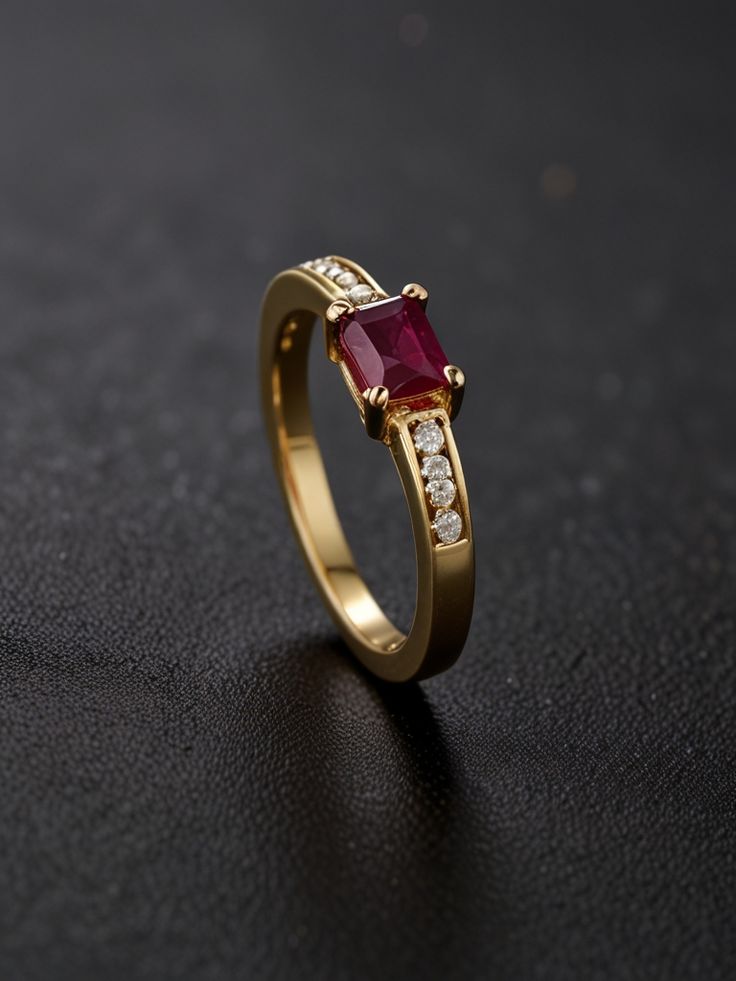
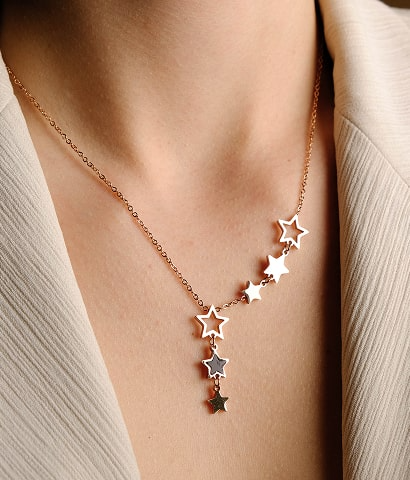
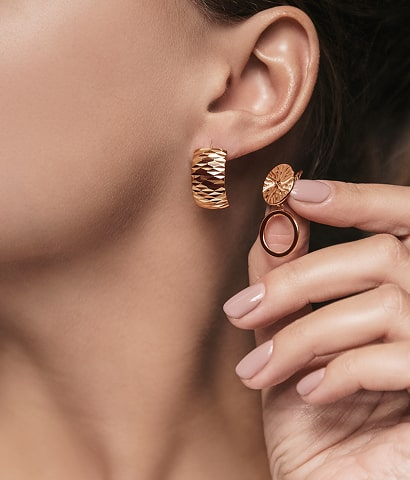
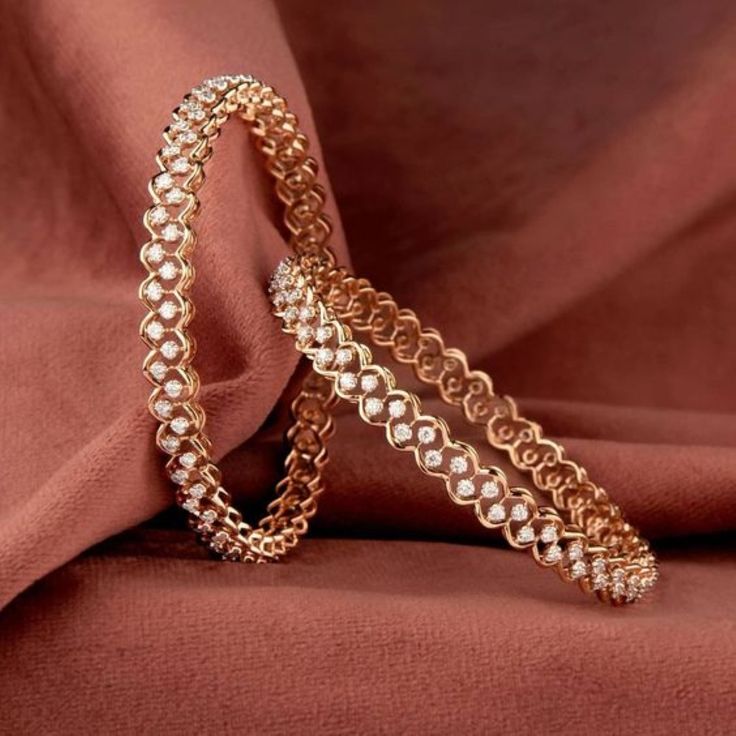
The market has responded. Lightweight gold in 22KT (916) has become one of the fastest-growing segments in Indian jewellery. Thin bangles designed to be stacked. Small hoop earrings with a traditional twist. Delicate chains with a single motif pendant. Slim mangalsutras reimagined for the contemporary woman.
The craft challenge in lightweight jewellery is significant — making something that looks substantial and feels luxurious while using minimal gold requires exceptional skill. Low-quality lightweight jewellery can look cheap or feel flimsy. Well-made lightweight jewellery is a design achievement.
What to look for in lightweight daily-wear gold: The finish should be smooth and consistent. Clasps and hooks should feel secure, not loose. The piece should feel balanced when worn — not pulling to one side. And the hallmarking should be present and verifiable, even on very small pieces. A ₹8,000 daily-wear chain deserves the same hallmarking rigour as a ₹80,000 necklace.
Trend 3: Indo-Sri Lankan Fusion Designs — A Heritage That Crosses the Palk Strait
This is a trend close to the heart of Shanthi Gold House specifically — and one that very few jewellers in India are positioned to speak to with real authority.
The Tamil jewellery traditions of South India and Sri Lanka share deep roots but have also evolved distinctly over centuries. Sri Lankan Tamil gold jewellery has its own design vocabulary — particular motifs, weight preferences, and ceremonial pieces that differ subtly but meaningfully from their Indian counterparts. The oddiyanam (waist belt) styles differ. The necklace structures differ. The bridal trousseau traditions differ.
For families with roots in both communities — and there are millions of such families across Chennai, Colombo, Singapore, and the Tamil diaspora worldwide — jewellery that speaks both dialects is deeply meaningful.
Sudarakan Jothirajan, whose presence and customer relationships span both Chennai and Sri Lanka, is one of a small number of jewellers who genuinely understands both traditions. This is not a marketing position — it is a reflection of four decades of serving customers on both sides of the Palk Strait, understanding what a Jaffna bride’s family expects versus what a Chennai bride’s family expects, and being able to craft or source pieces that honour both.
If you have family ties to Sri Lanka and are planning a wedding, a significant gift, or a custom piece that should reflect that heritage, this is a conversation worth having directly. Email sghchennai@gmail.com or visit www.shanthigoldhouse.com to begin.
Trend 4: Personalised and Initial Jewellery — Gold That Tells Your Story
Personalised jewellery is not a new concept globally, but it is experiencing a significant surge in India — particularly among buyers aged 22–38 who want gold that feels personal rather than generic.
Name necklaces in 916 gold. Initial pendants. Coordinate jewellery marking a significant location — a birthplace, a first home, a city of memory. Pieces engraved with a child’s birth date or a parent’s birth star (nakshatra). Rings bearing a meaningful Tamil word or phrase.
The appeal is straightforward: in a market where most jewellery displays look identical from store to store, a personalised piece is by definition unique. It cannot be replicated. It carries a story that belongs entirely to its owner.
The technical demands of personalised gold jewellery — particularly in 916 — are significant. Engraving on soft gold requires precision tools and an experienced hand. Letter forms must be clean and consistent. The design must balance personalisation with wearability — a pendant that spells out a name in an elegant font reads very differently from one that looks cramped or heavy.
For buyers interested in custom personalised pieces, the conversation with a jeweller should happen well before the delivery date — custom gold typically requires 2–4 weeks from design confirmation to finished piece.
Trend 5: Antique-Finish and Oxidised Gold — Old Soul, New Relevance
The fifth trend is perhaps the most visually distinctive: antique-finish gold jewellery, characterised by a deliberately aged, darkened patina on intricate surfaces that makes the raised design elements stand out dramatically.
This finish — achieved through controlled oxidation of the metal surface — has been part of South Indian jewellery craft for centuries. What is new is its crossover appeal. Antique-finish pieces that were once considered strictly traditional are now being worn with contemporary kurtas, sarees at casual occasions, and even western outfits by younger buyers who appreciate the visual depth and craft intensity these pieces represent.
The antique finish also has a practical advantage: it is more forgiving of minor wear and handling than a high-polish finish, which shows fingerprints and light scratches more readily. For jewellery worn regularly to functions and family gatherings, antique-finish pieces maintain their appearance longer with less maintenance.
A word on quality: The antique finish should be applied to genuinely well-crafted base jewellery. A weak design does not look better oxidised — it looks worse. The finish should enhance the detail of the underlying craftsmanship, not obscure poor finishing. When examining antique-finish pieces, look for clean, consistent depth in the darkened areas and crisp raised surfaces. These are the marks of quality craft.
What Is Not Trending (And Why That Matters)
Understanding what is losing ground is as useful as knowing what is rising. In 2025, two categories are declining in relevance among discerning buyers:
Heavy, inflexible bridal sets designed for a single occasion. The generation getting married in 2025 increasingly wants bridal jewellery they can actually wear again — to a cousin’s wedding, to a formal dinner, to a festival. Sets that are so elaborate they are wearable only once are being replaced by versatile pieces that can be mixed, matched, and styled differently.
Jewellery with no hallmarking or traceable provenance. Consumer awareness around BIS hallmarking has increased dramatically since mandatory hallmarking came into effect. Buyers who were once satisfied with “the jeweller said it is 916” now want the HUID to verify it themselves. Stores that cannot provide this are losing customers to those that can.
Both of these shifts favour jewellers who prioritise quality, transparency, and versatility over volume and spectacle.
How to Choose a Jewellery Design That Will Stand the Test of Time
Trends are useful as a starting point, but the best gold jewellery purchases are not purely trend-driven. Here is how Sudarakan Jothirajan advises customers when they ask how to choose something they will love for decades:
Think about occasions first. Where will you wear this? Daily office wear demands different choices from bridal jewellery. Clarity about occasion leads to clarity about design.
Consider your existing wardrobe. Gold jewellery does not exist in isolation — it is worn with clothes. A piece that works with both sarees and contemporary outfits has more versatility value than one that suits only one style.
Weight matters more than size. A heavier piece in a smaller design often looks more luxurious and wears more comfortably than a large but light piece. Net gold weight is a better indicator of value than visual scale.
Classic over trendy for high-value pieces. If you are investing ₹50,000 or more in a single piece, choose a design with classical roots rather than a purely contemporary fashion statement. Classic designs hold their aesthetic value and their resale value far better.
Ask the jeweller directly. A good jeweller will tell you honestly if a design you love is not right for your face shape, your skin tone, or your regular wardrobe. That honesty is a sign of someone looking after your long-term satisfaction rather than the day’s sale.
Frequently Asked Questions
Q: What gold jewellery designs are trending in India in 2025? A: The five dominant trends are temple jewellery revival, lightweight daily-wear gold, Indo-Sri Lankan fusion designs, personalised initial jewellery, and antique-finish oxidised gold. All five share a preference for meaningful, wearable, traditionally-rooted designs over purely fashion-forward pieces.
Q: Is temple jewellery suitable for everyday wear? A: Traditional full temple jewellery sets are ceremonial and occasion-specific. However, individual temple-inspired pieces — a single Lakshmi pendant, a small jhumka earring, a slim temple-motif bangle — translate beautifully to everyday wear with the right outfit.
Q: What is the difference between antique-finish gold and regular gold jewellery? A: Antique-finish gold has a controlled oxidation applied to the surface, darkening recessed areas and making raised design elements stand out. The gold content and purity are identical to polished gold — only the surface treatment differs. Antique-finish is particularly striking on intricate South Indian designs.
Q: How long does a custom gold jewellery piece take to make? A: Custom pieces typically require 2–4 weeks from design confirmation to delivery, depending on complexity. Highly intricate temple jewellery or personalised engraved pieces may take longer. Always discuss your timeline with the jeweller upfront.
Q: Does Shanthi Gold House make custom or personalised gold jewellery? A: Yes. Shanthi Gold House creates custom pieces including personalised designs, temple jewellery, and Indo-Sri Lankan fusion pieces. Contact Sudarakan Jothirajan’s team via WhatsApp at +91-9444302807, email sghchennai@gmail.com, or visit www.shanthigoldhouse.com to discuss your requirements.
Q: Is lightweight gold jewellery less valuable than heavy pieces? A: The value of gold jewellery is determined by net gold weight, not visual size. A well-crafted lightweight piece of 22KT gold retains its intrinsic gold value fully. The difference is in the making charges — intricate lightweight designs often carry higher making charges per gram because of the skill involved.
Q: What South Indian gold jewellery designs are unique to Chennai? A: Chennai is particularly known for temple jewellery, oddiyanam (waist belts), vanki (armlets), maatal (hair ornaments), and long haaram necklaces. These designs reflect the classical South Indian craft tradition and are typically handmade by specialist artisans with generational expertise.
The Bottom Line
Gold jewellery trends in India in 2025 are not about chasing novelty — they are about rediscovering depth. The pieces winning hearts this year are the ones that carry cultural memory, reward close examination, and work as hard as the women who wear them.
Whether you are drawn to the drama of temple jewellery, the practicality of lightweight daily wear, or the intimacy of a personalised piece, the common thread is this: buy something made with genuine skill, from a jeweller who understands what it means. The piece you choose today should still feel right — and still hold its value — twenty years from now.
Shanthi Gold House specialises in unique, handcrafted gold jewellery rooted in South Indian and Sri Lankan Tamil design traditions. With over 40 years of experience and a deep understanding of both communities, Sudarakan Jothirajan and his team help customers find — or create — pieces that are genuinely one of a kind. Visit www.shanthigoldhouse.com, WhatsApp +91-9444302807, or email sghchennai@gmail.com to explore their collection.