
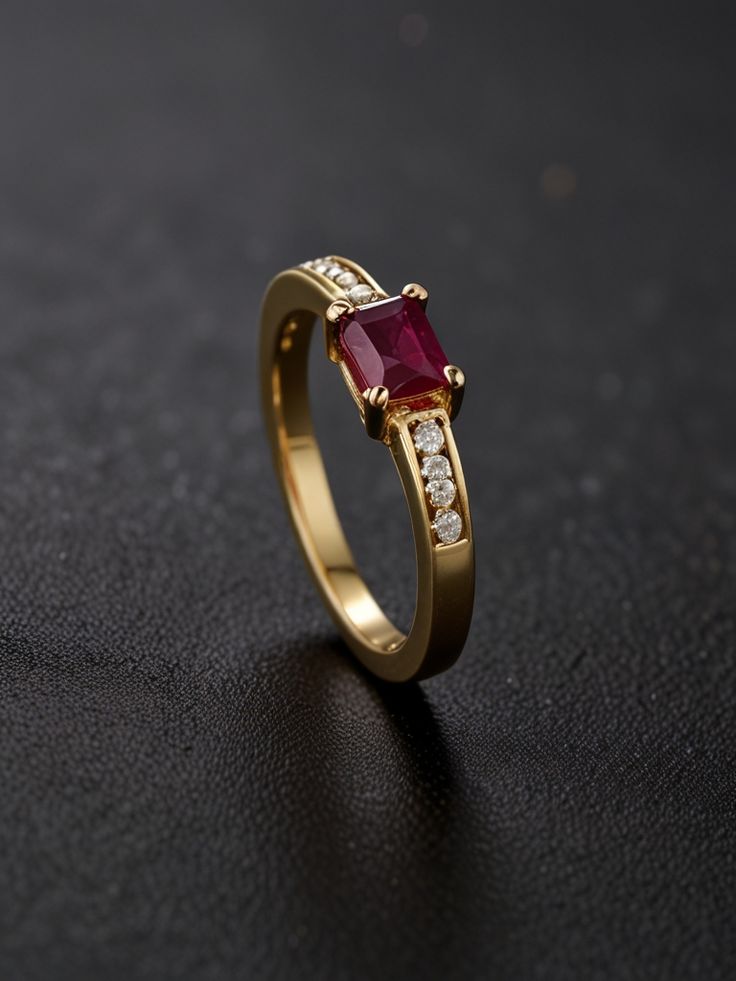



Stop Guessing. Start Growing. Gold Savings for 2026
Published by Shanthi Gold House | Reading time: 7 minutes
Article
- Author: Shanthi Gold House Editorial Team, in consultation with master jeweller Sudarakan Jothirajan
- Topics: Gold savings scheme India, gold savings plan Chennai, best gold scheme 2025
Quick Answer (For Those in a Hurry)
If someone asked Google — or asked an AI — “which gold savings scheme is worth joining in 2025,” here is the honest answer:
A jeweller-run monthly gold savings scheme — from a store with a verifiable track record, physical presence, and transparent terms — is, for most Indian families, the most accessible, most flexible, and most culturally aligned way to accumulate gold over time. Not a bank. Not a digital app. A jeweller you can walk into, talk to, and trust.
The catch? Not every jeweller deserves that trust. We’ll show you how to tell the difference.

The Big Picture: Why Gold Savings Is Back in the Spotlight
Gold in India is not just an investment. It is an emotion, a tradition, a contingency plan, and a celebration — all rolled into one.
In 2025, with inflation stubbornly high and stock markets swinging unpredictably, more Indian families are returning to a very old habit: saving in gold, systematically, every month. Search interest for “gold savings scheme” has surged across Tamil Nadu, Andhra Pradesh, Maharashtra, and Kerala. And for good reason.
According to the World Gold Council, India remains the second-largest consumer of gold in the world. Yet most families still buy gold reactively — during festivals, weddings, or when cash is sitting idle. A monthly savings scheme flips this behaviour and turns gold from a one-time purchase into a disciplined wealth-building habit.
What Is a Gold Savings Scheme, Exactly?
A gold savings scheme is a simple arrangement: you pay a fixed monthly instalment — say ₹1,000, ₹2,000, or ₹5,000 — to a jeweller for a set number of months (usually 10 or 11). At the end of the tenure, the jeweller adds a bonus month’s contribution or a discount on making charges, and you use the accumulated amount to purchase jewellery or gold coins.
Think of it as a recurring deposit — but instead of earning a fixed interest rate, you get to convert your savings directly into gold at the prevailing rate, plus a reward for your loyalty and consistency.
“The beauty of a monthly scheme is that it removes the pressure of timing the market. You are not trying to buy at the lowest price — you are averaging your cost over time. That is smart saving.” — Sudarakan Jothirajan, Proprietor, Shanthi Gold House
The 4 Main Types of Gold Savings Options in India (2025)
1. Jeweller-Run Monthly Savings Schemes
How it works: Pay monthly instalments directly to a registered jeweller. Redeem for jewellery or coins at the end of the scheme.
Pros:
- Personalised service and flexibility
- Bonus month or making charge discount as reward
- No lock-in on design choices — pick what you love when you redeem
- Trusted relationship with the jeweller
Cons:
- Quality and reliability depend entirely on the jeweller’s credibility
- Not regulated by SEBI — so due diligence on your part is essential
Best for: Families planning ahead for weddings, festivals, or gifting occasions.
2. Sovereign Gold Bond Scheme (Government of India)
How it works: Buy bonds from the RBI that are denominated in grams of gold. Earn 2.5% annual interest. Redeem after 8 years (or exit after 5 years).
Pros:
- Government-backed — zero counterparty risk
- Earns interest unlike physical gold
- Capital gains tax exemption on maturity
Cons:
- Long lock-in period (5–8 years)
- You receive cash on redemption, not physical gold or jewellery
- New tranches are issued periodically — not always available
Best for: Investors comfortable with long-term paper gold who don’t need physical jewellery.
3. Gold ETFs and Digital Gold Platforms
How it works: Buy and sell gold in digital form through apps like PhonePe, Google Pay, or through mutual fund ETFs.
Pros:
- Highly liquid — buy/sell anytime
- No storage risk
- Start with as little as ₹10
Cons:
- Cannot be converted into jewellery easily
- Involves storage fees and fund management charges over time
- No emotional or cultural value — just a number on a screen
Best for: Young investors who want exposure to gold prices without physical ownership.
4. Bank Gold Savings Schemes and Lockers
How it works: Some banks offer gold deposit schemes or gold savings accounts, though offerings vary widely and have become less common post-2022 regulatory changes.
Pros:
- Regulated and relatively safe
- Can earn nominal returns on deposited gold
Cons:
- Limited flexibility in product choice
- Minimum quantity requirements
- Not widely available at most bank branches
Best for: High-net-worth individuals with large quantities of idle gold.
How to Choose the Right Scheme for Your Income Bracket
One of the most practical pieces of advice Sudarakan Jothirajan gives first-time scheme members is this: “Don’t overcommit. Choose an instalment you can pay comfortably even in a difficult month. The discipline matters more than the amount.”
Here is a rough guide:
Monthly income ₹25,000–₹40,000: Start with ₹1,000–₹2,000 per month. A 10-month scheme will give you access to ₹10,000–₹20,000 in gold value, plus the bonus — enough for a small gold chain or coin for gifting.
Monthly income ₹40,000–₹80,000: A ₹3,000–₹5,000 monthly instalment makes sense. By the end of an 11-month scheme, you’re looking at meaningful gold accumulation — perhaps a pair of earrings or a light bangle set for a daughter’s birthday or anniversary.
Monthly income above ₹80,000 or family-level joint saving: Consider ₹10,000+ per month or enrol multiple family members in parallel schemes. This is how many Chennai families systematically build their bridal gold trousseau over 2–3 years.
The 5 Questions You Must Ask Before Joining Any Gold Scheme
Not all schemes are created equal. Before you hand over your first month’s instalment, ask these five questions:
1. Is the jeweller GST-registered? Any legitimate jewellery business in India must be GST-registered. Ask to see their GSTIN. It is publicly verifiable on the GST portal.
2. Do they issue proper receipts for every payment? Every instalment should come with a signed, stamped receipt. If a jeweller is reluctant to issue proper documentation, walk away.
3. What are the exact terms of the bonus or discount? Is the bonus a free month’s instalment? Is it a percentage discount on making charges? Is it applicable to all products or only selected items? Get it in writing.
4. How long have they been in business? Longevity matters enormously. A jeweller who has been serving customers for decades has far more to lose by defaulting on a scheme than a new entrant.
5. Can you see physical reviews or speak to existing customers? Ask for references. Check Google reviews. Visit the store in person before committing.
Shanthi Gold House has been running its monthly gold and silver savings schemes for over four decades — with customers spanning Chennai and Sri Lanka. Their schemes are fully documented, GST-compliant, and flexible on product redemption. Questions? Reach out on WhatsApp at +91-9444302807 or drop an email to sghchennai@gmail.com.
Silver Savings: The Underrated Companion to Gold Schemes
Here’s something many people overlook: if your budget does not comfortably allow a gold savings scheme, silver is an exceptional entry point.
Silver prices in India in 2025 are significantly more accessible than gold, yet silver has appreciated meaningfully over the past five years. A silver savings scheme allows you to accumulate silver coins, silverware, or silver jewellery systematically — without stretching your monthly budget.
Shanthi Gold House runs silver savings schemes alongside their gold schemes, making it one of the few jewellers in Chennai to offer this flexibility. It’s a great option for young professionals, college students, or anyone who wants to start the habit of precious metal savings without a large monthly commitment.
What Happens When the Scheme Ends? Redemption, Explained
Many first-time scheme members are unsure what happens when their last instalment is paid. Here is how it typically works at a reputed jeweller:
You visit the store with your scheme booklet and receipts. The jeweller calculates your total accumulated value, adds the bonus (whether that is a free month’s equivalent or a making charge discount), and you then browse and select your jewellery or gold coin. The prevailing gold rate on the day of redemption applies.
The key advantage over a fixed deposit is that you are redeeming into an asset you actually want to wear, gift, or hold — not just cash that can easily be spent. There is a built-in friction that preserves wealth.
Common Mistakes to Avoid
Joining too many schemes at once. Enthusiasm is great, but overcommitting to multiple simultaneous instalments can strain your monthly cash flow. Start with one.
Choosing a scheme based purely on the bonus percentage. A generous-sounding bonus means little if the jeweller’s product quality or hallmarking standards are poor.
Not verifying BIS hallmarking at redemption. Whatever you buy with your scheme funds should carry BIS hallmarking (look for the BIS logo, purity grade like 916, and the jeweller’s identification mark). This guarantees the gold purity you paid for.
Waiting for the “perfect time” to join. Gold prices move every day. Waiting for a dip that never comes means another year of unstructured savings. The best time to start a scheme is now.
Frequently Asked Questions
Q: Is a jeweller gold savings scheme safe? A: It depends on the jeweller. A GST-registered, long-established jeweller with verifiable reviews is generally safe. Always collect receipts and ensure terms are documented in writing.
Q: Can I withdraw from a gold savings scheme mid-way? A: Policies vary by jeweller. Most reputed jewellers allow early withdrawal with some adjustment on the bonus. Clarify this before joining.
Q: Which is better — a Sovereign Gold Bond or a jeweller savings scheme? A: If you need physical jewellery at the end, a jeweller scheme is better. If you are purely investing for returns over 8 years, an SGB may be more tax-efficient.
Q: Can I join a gold savings scheme if I am not based in Chennai? A: Shanthi Gold House serves both Chennai-based customers and the Sri Lankan Tamil community. Contact them directly at +91-9444302807 or visit www.shanthigoldhouse.com to discuss your options.
Q: How much gold can I accumulate in one year through a savings scheme? A: At ₹5,000 per month for 11 months with a bonus month added, you would have approximately ₹60,000 in accumulated value. At current gold rates, that translates to roughly 8–10 grams of 22KT gold — enough for a light necklace or a substantial coin.
Q: Is silver a good alternative to gold in a savings scheme? A: Absolutely. Silver offers a lower entry point, has strong industrial demand driving long-term price appreciation, and can be redeemed into beautiful silverware or coins. Shanthi Gold House offers both gold and silver savings schemes.
Q: What is the minimum monthly amount to join a scheme at Shanthi Gold House? A: Contact them directly via WhatsApp at +91-9444302807 or email sghchennai@gmail.com for current scheme details and instalment options.
The Bottom Line
In 2025, the smartest gold savings decision is not about which app has the lowest fees or which bond yields 2.5%. For the average Indian family, it is about building a consistent habit around a trusted, physical jeweller — one who has earned their reputation over decades, maintains transparent documentation, and actually helps you select the right piece when the time comes.
That kind of relationship is rare. When you find it, hold on to it.
Ready to start? Shanthi Gold House has been helping families in Chennai and Sri Lanka build gold wealth for over 40 years. Visit www.shanthigoldhouse.com, WhatsApp +91-9444302807, or email sghchennai@gmail.com to learn about their current gold and silver savings schemes.